
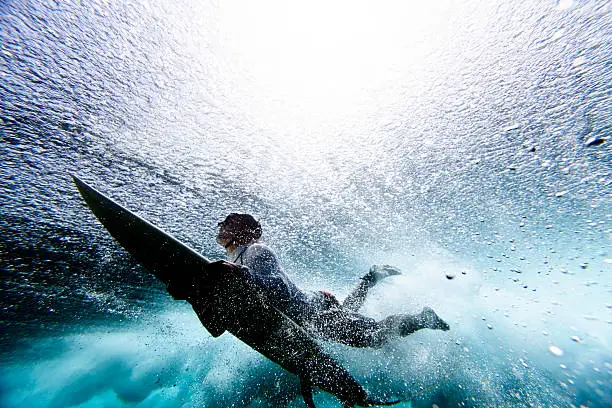
Standing at the shoreline, salt spray kissing your face, you watch the ocean’s endless dance. Some surfers paddle confidently toward seemingly random swells, while others wait patiently, letting wave after wave pass untouched. What do they see that you don’t?
I spent my first three months in the water chasing every ripple, getting thrashed by closeouts, and watching perfect rides slip past while I floundered in the wrong spot. That frustration nearly made me quit surfing altogether. Then an old-timer at my local break pulled me aside and shared what he’d learned over thirty years: the ocean speaks, but you need to learn its language first.
Learning to spot quality waves transformed everything. Suddenly, my session count doubled, my ride length tripled, and that magical feeling of gliding across water became consistent rather than accidental. This skill separates weekend warriors from true wave riders—and you’re about to unlock it.
Understanding What Makes Waves Work for Surfing
Before you can identify premier waves, you need to grasp what you’re actually looking at. The ocean isn’t random chaos—it’s organized energy traveling thousands of miles before reaching your beach.
The Anatomy of a Rideable Wave
Every surfable wave contains specific features that determine whether you’ll experience an epic ride or a frustrating wipeout.
The Peak represents where the wave initially breaks, creating your takeoff zone. This highest point signals where you should position yourself for the drop.
The Shoulder extends from the peak—that unbroken section providing your canvas for maneuvers. Without a shoulder, you’re facing a closeout that offers nothing but a quick trip to the seafloor.
The Face gives you the actual surface to ride. Its steepness, smoothness, and size directly impact your speed and what tricks you can pull off.
The Lip curls over as the wave breaks, indicating power level and hollowness. A pitching lip means barrel potential; a gentle roller suggests a mellow cruise.
Think of it like reading a road before driving. You wouldn’t gun it down an unknown path without checking for obstacles, curves, or dangerous drops. Waves demand the same assessment before commitment.
Power, Shape, and Size: The Three Pillars
Quality surf conditions balance three essential elements:
Power determines how much push the wave provides. Hollow, steep waves pack tremendous force—thrilling for experienced riders but overwhelming for learners. Mushier, rolling waves offer gentler energy, perfect for practicing fundamentals but potentially frustrating if you’re seeking high-performance surfing.
Shape dictates rideability more than any other factor. A wave peeling cleanly down the line lets you carve, trim, and flow. A crumbling, sectioning wave forces constant adjustments and often ends your ride prematurely. Closeouts—waves breaking along their entire length simultaneously—offer zero riding opportunity beyond a straight shot to shore.
Size must match your current ability and equipment. Knee-high waves won’t challenge an expert, while overhead sets can terrify beginners. Your board choice matters too: longboards need different waves than shortboards.
Reading the Ocean Before You Paddle Out
Smart surfers spend fifteen minutes watching before wetting their wax. This observation period reveals patterns invisible to the impatient.
Swell: Where Waves Begin Their Journey
Swell represents organized energy traveling across open ocean. Unlike wind chop—messy, short-interval bumps—quality swell arrives in sets with consistency.
Swell period measures seconds between waves. This number tells you everything:
- 6-9 seconds: Wind swell, typically weak and disorganized
- 10-13 seconds: Decent mid-period swell with moderate power
- 14-20 seconds: Ground swell—powerful, clean, well-organized sets
- 20+ seconds: Big, long-period swell bringing significant size and punch
Longer periods mean waves traveled farther, accumulated more energy, and will hit your beach with greater force and better organization.
Swell direction must align with your break’s orientation. A west-facing beach needs westerly swell; northerly swell will produce minimal waves or close out sections. Check local surf reports to understand which directions work best for your spot.
Wind: Your Best Friend or Worst Enemy
Wind transforms mediocre swells into magic or ruins perfect conditions in minutes.
Offshore winds blow from land toward ocean, holding wave faces up and smoothing surfaces like an iron pressing silk. These conditions create those glassy, picture-perfect waves you see in surf magazines. Even light offshore winds (5-10 mph) dramatically improve wave quality.
Onshore winds blow from ocean to land, creating choppy, bumpy faces that crumble and section. Strong onshore winds essentially ruin surf sessions, though beginners might appreciate slightly smaller, safer conditions.
Side-shore winds blow parallel to the beach, creating mixed results. They don’t destroy waves like onshore winds but don’t provide the polish of offshore breezes either.
Early morning typically offers the calmest winds— »dawn patrol » exists for good reason. Afternoons often bring onshore sea breezes that degrade conditions.
Tide: The Ocean’s Rhythm Section
Tide changes how waves break over bottom contours, making the same spot work completely differently six hours apart.
Low tide exposes more reef or sandbar, often creating shallower, hollower, more powerful waves. Some breaks work exclusively at low tide; others become dangerously shallow.
Mid tide usually provides the most consistent conditions, offering a balance between power and safety.
High tide covers bottom features, potentially creating mushier waves or allowing waves to bypass outer reefs entirely, changing where they break.
Rising vs. falling matters too. Many breaks work better on incoming or outgoing tide, regardless of actual height. Your local break has its own personality—learn it through experience and conversation with regulars.
Bottom Contour: The Hidden Sculptor
What lies beneath shapes everything above.
Sand bottom breaks shift constantly as currents move sand. Peaks appear and disappear, channels form and fill. This changeability means yesterday’s perfect spot might produce nothing today. Look for darker water indicating deeper channels between lighter-colored sandbars where waves peak.
Reef breaks offer consistency since coral or rock doesn’t move. Waves break in virtually identical spots every single time. This predictability helps with positioning but demands respect—wipeouts hurt more over hard bottom.
Point breaks wrap around land formations, creating long, peeling walls. These waves often section but can provide extended rides when conditions align perfectly.
Visual Cues: Spotting Quality Waves from Shore
Now you’re beach-side, watching. What signals separate worthy waves from time-wasters?
The Green Light Checklist
Scan for these positive indicators:
Clean faces show minimal texture, bumps, or wind chop. Smooth water lets you see the wave’s actual shape and predict how it will break.
Progressive peeling means the wave breaks gradually from the peak down the line rather than dumping all at once. Watch several waves do they peel cleanly or explode in sections?
Defined shoulders extend clearly from peaks. If you can see unbroken wave face running 20-30 feet (or more) from where it starts breaking, you’ve found rideable waves.
Consistent intervals between sets suggest organized swell. Count waves in each set (typically three to seven), then time the lull before the next set arrives. Predictability helps you time paddle-outs and position correctly.
Appropriate sizing relative to current crowd and your ability ensures you’ll actually catch waves rather than getting shut out by better surfers or overwhelmed by conditions beyond your skill.
Red Flags: Waves to Avoid
Learn to recognize poor conditions quickly:
Closeouts break along their entire length simultaneously, offering no shoulder and no ride—just a quick pounding. If every wave looks like a wall exploding at once, conditions aren’t worth your time.
Sectioning waves break in disconnected chunks rather than peeling continuously. You might get a short ride, then the wave disappears, reforms, and breaks again farther down. Frustrating and exhausting.
Backwash occurs when waves bounce off seawalls, piers, or steep beaches, creating confused water with waves coming from multiple directions. This chaos makes positioning impossible and waves unpredictable.
Excessive size beyond your comfort zone isn’t bravery—it’s foolishness. Pushing limits gradually builds skills; jumping into overwhelm builds hospital bills.
Crumbly, weak waves lack the power to carry you. You paddle furiously, feel the wave lift you, then watch it dissolve beneath your board. Common during small swells with long periods or dying afternoon conditions.
In-the-Water Wave Selection Strategy
You’ve paddled out. Now the real skill test begins.
Finding Your Lineup Position
The « lineup » refers to where waves consistently break—your starting position for wave-catching.
Use landmarks to maintain your spot. Pick a building, tree, or rock formation on shore, then align it with something else (creating a cross-bearing). When these landmarks stay aligned, you’re holding position despite currents.
Watch experienced surfers at unfamiliar breaks. They’ve already figured out optimal positioning through trial and error. Position yourself near (not directly on top of) where they’re sitting.
Scan the horizon constantly. Quality sets announce themselves as organized lines appearing 100-200 yards out. You’ll have 20-30 seconds to position once you spot them.
Understand the pecking order. Surf etiquette dictates that the person closest to the peak (where the wave breaks first) has priority. Don’t paddle for waves if someone’s deeper than you—wait your turn or reposition.
The Five-Second Decision Framework
As a wave approaches, you’ve got seconds to evaluate and act:
Twenty seconds out: Spot the incoming swell line. Does it look organized and clean, or choppy and weak?
Fifteen seconds out: Identify which wave in the set (if there are multiple) looks best. Sometimes the first wave is smallest; sometimes the third wave is cleanest.
Ten seconds out: Position yourself at what you predict will be the peak. Start turning your board toward shore while glancing back to monitor the wave’s development.
Five seconds out: Confirm your priority (no one deeper than you). Check that the wave has a shoulder and won’t close out. This is your final commitment point.
Two seconds out: Paddle powerfully with full commitment. Hesitation guarantees failure. Your momentum needs to match the wave’s speed.
Many surfers miss waves because they evaluate too long and paddle too late. Others catch poor waves because they don’t evaluate enough. Balance comes with practice.
Set Waves vs. Between-Set Waves
Sets contain the largest, most powerful waves, arriving in groups after lulls.
First wave advantages: Uncrowded since everyone’s still paddling out from the previous set. Often slightly smaller than later waves.
Middle wave strategy: Good size, but also highest competition as everyone’s positioned and ready.
Last wave psychology: Typically the largest, but you might face a crowd since everyone waited for it. Also means a long paddle back out before the next set arrives.
Between-set waves: Smaller, less powerful waves arriving during lulls. These work great for beginners or when you want quick, easy waves without fighting the crowd.
Count patterns at your break. Most spots have consistent set frequencies—maybe five to seven waves every twelve minutes, or three large waves every eight minutes. Understanding this rhythm helps you decide whether to paddle for marginal waves or wait for the next set.
Decoding Different Break Types
Each surf spot category requires adjusted reading strategies.
Beach Breaks: The Ever-Changing Canvas
Sandy-bottom breaks shift daily, sometimes hourly, as currents redistribute sand.
Peak identification requires fresh observation each session. Yesterday’s perfect sandbar might have washed flat overnight.
Look for darker water indicating channels—deeper sections where waves don’t break. Lighter, turquoise water shows sandbars where waves peak.
Multiple peaks often form along beach breaks. If one spot looks crowded or inconsistent, paddle down the beach to explore alternatives.
Morning advantage: Beach breaks typically perform best at dawn before onshore winds develop and before afternoon high tides change bottom dynamics.
Point Breaks: The Predictable Peeler
Waves wrap around land formations—points, jetties, or headlands—creating long, consistent rides.
Outside positioning works best since waves wrap from deeper water. The point itself often creates the initial breaking area.
Multiple sections might form as waves peel down the point. Some points offer 200-300 yard rides with distinct sections requiring different approaches.
Crowd management becomes crucial since point breaks funnel everyone to the same peak zone. Patience and proper etiquette matter more than at beach breaks with spread-out peaks.
Consistent shape means once you figure out a point break, it performs similarly every time similar conditions arrive.
Reef Breaks: The Expert’s Domain
Waves breaking over coral or rock offer amazing consistency but demand experience and respect.
Exact positioning matters since waves break over specific reef features in nearly identical spots every time. A few feet off-position might mean missing waves entirely or getting caught inside the impact zone.
Shallow hazards require absolute commitment. Hesitation leads to late takeoffs that end with you hitting reef rather than making the wave.
Hollow power characterizes many reef breaks. These waves jack up quickly, break hard, and tube more readily than beach breaks.
Local knowledge becomes essential. Experienced surfers know exactly where to sit, when to paddle, how tides affect the break, and where hazards lurk. Show respect, watch carefully, and ask politely before charging unfamiliar reef breaks.
Advanced Wave-Reading Techniques
Once you’ve mastered basics, these refinements separate good from great wave selection.
Reading Horizon Lines
Experienced surfers spot quality sets before they arrive by reading swell lines on the horizon.
Organized lines appear as darker bands of water stretching across your field of vision. These indicate well-organized swell energy that will likely produce quality waves.
Stacked lines (multiple bands close together) suggest a strong set approaching. Start positioning immediately.
Broken, irregular patterns on the horizon indicate wind swell or mixed conditions—lower your expectations for wave quality.
Speed assessment: How fast are horizon lines approaching? Faster-moving lines mean shorter intervals between waves, giving you less recovery time between sets.
Current and Drift Management
Currents constantly push you along the beach or pull you offshore.
Rip currents flow from shore outward, creating channels that help you paddle out but also sweep you away from peaks. Use rips strategically for easier paddle-outs, then paddle perpendicular to escape them before they carry you too far.
Longshore drift runs parallel to beaches, slowly moving you down the coastline. Without constant positioning adjustments, you’ll drift away from the lineup.
Paddling landmarks help you maintain position. Keep checking your cross-bearings and paddle back into position during lulls.
Using Technology Without Becoming Dependent
Surf forecasting apps provide valuable information but shouldn’t replace ocean observation.
Buoy data measures actual ocean conditions miles offshore:
- Swell height (typically appears larger at shore for beach breaks)
- Swell period (longer = better organized)
- Swell direction (must align with your break)
Wind forecasts predict changing conditions throughout the day. Morning offshore winds often shift onshore by afternoon.
Tide charts show exact high and low times, helping you plan sessions around optimal tides for your break.
Surf cameras let you check conditions before driving to the beach, saving gas and disappointment.
However, apps can’t capture:
- Subtle sandbar changes at beach breaks
- Current crowd levels and vibe
- Slight wind shifts that dramatically change conditions
- That perfect dawn patrol session when forecasts predicted mediocrity
Use technology for planning, but trust your eyes once you’re beach-side.
Common Wave-Spotting Mistakes and How to Avoid Them
Even experienced surfers fall into these traps.
Chasing Every Bump
Beginners often paddle for anything resembling a wave, exhausting themselves and missing quality opportunities.
Solution: Practice patience. Watch three or four waves pass, evaluating their shape and power before committing. You’ll quickly distinguish worth-it waves from energy-wasters.
Sitting Too Deep
Positioning yourself too far inside (toward shore) means watching sets break beyond you, forcing you to turtle or duck-dive while others catch perfect waves.
Solution: If you’re constantly getting caught inside, you’re sitting too shallow. Paddle farther out, even if it feels uncomfortably distant at first. Better to be slightly outside than perpetually caught inside.
Ignoring Other Surfers’ Positioning
Locals sit where they sit for good reason—they’ve learned optimal positioning through hundreds of sessions.
Solution: Position yourself within sight of experienced surfers (not directly competing for their waves). Watch where they paddle when sets approach. Learn from their positioning adjustments.
Overthinking and Under-Paddling
Analysis paralysis causes missed waves. You’re still evaluating when you should be paddling with full commitment.
Solution: Once you’ve decided a wave is worth catching, commit completely. Powerful, early paddling beats tentative, late efforts every time.
Fighting for Every Wave
Aggressive wave-hogging creates negative vibes and potential conflicts.
Solution: Respect the pecking order. Wait your turn. You’ll catch more waves through patience and proper positioning than through aggression. Plus, you’ll actually enjoy your session rather than stressing about confrontations.
Skill-Based Wave Selection Guide
Your ability level should dictate which waves you target.
Beginner Wave Characteristics
If you’re still mastering pop-ups and basic trimming:
- Already broken waves (whitewater/foam) provide the easiest catching practice
- Gentle slopes rather than steep drops give you time to stand and balance
- Knee to waist height offers adequate push without overwhelming power
- Forgiving shape that doesn’t punish small mistakes
- Sandy bottom for safer wipeouts
- Uncrowded sections where you can practice without pressure
Focus on catching waves successfully and riding them to shore before attempting unbroken faces or critical sections.
Intermediate Wave Goals
Once you’re consistently catching and riding green faces:
- Clean shoulders for practicing basic turns
- Waist to chest height providing more power and ride length
- Moderate steepness challenging your takeoff skills without terrifying drops
- Sectioning waves that teach you to pump and generate speed
- Various conditions to expand your comfort zone
- Controlled progression toward steeper, hollower waves
This stage emphasizes quality over quantity—catching ten great waves beats catching thirty terrible ones.
Advanced Wave Selection
Experienced surfers seek:
- Critical sections for performance maneuvers
- Overhead size for power and challenge
- Barrel sections for tube riding
- Fast, hollow waves testing reaction time and positioning
- Variety across different break types and conditions
- Perfect waves worth waiting through multiple sets
Advanced surfers often let numerous rideable waves pass, waiting specifically for exceptional opportunities that allow their full skillset.
Building Your Wave-Reading Skills Systematically
Improvement comes through deliberate practice, not just hours logged.
The Pre-Surf Ritual
Make observation mandatory before every session:
Fifteen-minute watch: Set a timer. Don’t rush straight into the water.
Count waves per set: Write down patterns in your phone or wetsuit pocket.
Identify channels: Note where water flows back out without breaking waves.
Mark landmarks: Choose your positioning references before paddling out.
Watch takeoffs: See where successful rides begin, where closeouts occur.
This ritual builds pattern recognition faster than random observation while surfing.
Post-Session Reflection
Learning accelerates when you analyze what worked and what didn’t:
- Which waves provided your best rides, and what made them special?
- Which waves disappointed you, and why did you paddle for them?
- Did you sit in the right spot, or did you miss sets consistently?
- What would you do differently next session?
Keep a simple surf journal—even basic notes create valuable reference material showing your progression.
Study Film and Photography
Watch surf videos with analytical eyes rather than just entertainment:
- Pause clips and identify wave features before riders catch them
- Notice how pros position themselves relative to peaks
- Observe their timing—when do they start paddling?
- Study their wave selection—which waves do they skip, which do they charge?
Professional surfers possess exceptional wave-reading skills honed through decades of practice. You can compress your learning curve by studying their decisions.
Diversify Your Experience
Surfing only one break at one tide limits your development.
Try different spots: Each break teaches unique lessons about wave dynamics.
Surf various conditions: Messy days build adaptability; perfect days build confidence.
Various tides and swells: Understanding how changes affect your break deepens overall ocean knowledge.
Travel when possible: New breaks force fresh observation and faster learning.
Your Next Session Starts Now
Wave-reading mastery doesn’t arrive overnight. That old-timer who helped me didn’t learn his skills in weeks—he invested decades into understanding his local break’s moods, patterns, and secrets.
But you don’t need thirty years to see dramatic improvement. Implement these strategies during your next three sessions:
Session One: Focus purely on observation. Spend twenty minutes watching before paddling out. Count wave patterns. Identify channels. Mark landmarks. Then surf with heightened awareness of positioning.
Session Two: Practice patience. Let ten waves pass for every one you paddle for. Quality over quantity. Evaluate each wave using the five-second framework before committing.
Session Three: Experiment with positioning. Sit farther outside than usual. Move down the line from the main peak to find less-crowded waves. Adjust based on set patterns you observe.
Track your progress. How many waves did you catch? What percentage were quality rides versus closeouts or missed opportunities? Are you positioning better? Paddling for smarter choices?
The ocean rewards those who learn its language. Every session builds your vocabulary. Every wave—caught or missed—teaches something valuable. Some days you’ll read conditions perfectly and score the session of your month. Other days humility arrives on a humbling set that catches you inside.
Both experiences matter. Both teach. Both bring you closer to that magical flow state where wave selection becomes intuitive rather than analytical.
Stop guessing which bumps deserve your energy. Start reading the ocean like the experienced surfers you’ve envied. The perfect wave isn’t random luck—it’s pattern recognition, positioning, and timing working together.
Your best surf session ever is waiting beyond the breakers. You just need to recognize it when it arrives.
Now grab your board, hit the beach, and put these lessons into practice. The ocean’s calling—and finally, you know what it’s saying.

hello world
hello world