
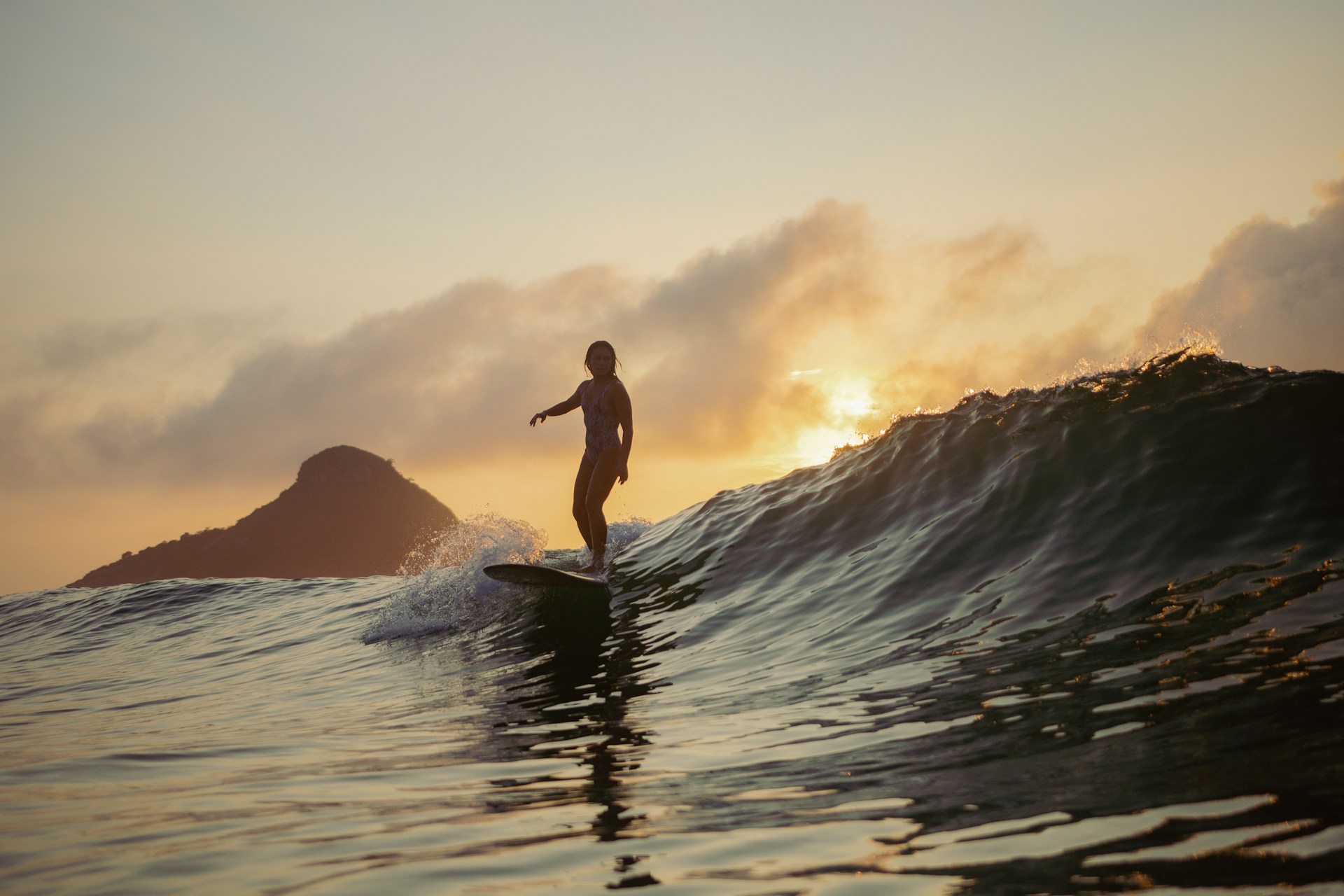
You’re scrolling through surf photos online, feeling that familiar pull toward the ocean. You want to learn to surf—or maybe improve your skills—but there’s a catch: you don’t have anyone to go with. The idea of booking a solo surf trip feels exciting and terrifying in equal measure. Questions flood your mind: Will I be the only person traveling alone? Is it safe? Will I feel out of place as an adult beginner? What if everyone else is younger or more experienced?
Here’s the truth that thousands of solo travelers have already discovered: a Morocco surf camp might be the perfect answer to all those questions. Morocco has emerged as one of the world’s premier surf destinations, offering consistent waves, year-round sunshine, welcoming communities, and an infrastructure specifically designed for travelers like you—adults seeking adventure, progression, and connection without the awkwardness of traveling solo.
Whether you’re in your 30s, 40s, 50s, or beyond, whether you’ve never stood on a surfboard or you’re looking to refine your technique, Morocco’s surf camps create an environment where solo adult travelers don’t just survive they thrive. This comprehensive guide will walk you through everything you need to know about planning your Morocco surf camp experience as an adult solo traveler.
Why Choose a Morocco Surf Camp as a Solo Adult?
The Built-In Social Experience
The biggest concern for many solo travelers is loneliness. Will you eat dinner alone? Surf alone? Spend evenings in your room scrolling through your phone while everyone else has fun together?
A surf camp in Morocco eliminates these worries entirely. From the moment you arrive at the airport (where most camps offer pickup services), you’re welcomed into a ready-made community. Surf camps naturally create social bonds through shared experiences: early morning surf sessions, communal meals, yoga classes, group excursions, and evening gatherings on rooftop terraces watching the sunset over the Atlantic.
Unlike traditional hotels where everyone retreats to separate rooms, surf camps are designed around community spaces. You’ll share meals family-style around long tables, swap surf stories over mint tea, analyze video footage of your sessions together, and make plans for the next day’s adventures. The structure creates natural opportunities for connection without forcing awkward interactions.
Many solo travelers report that their surf camp experience resulted in genuine friendships that extended well beyond their Morocco trip—people they still surf with, travel with, or simply stay connected with years later.
No Prior Surf Experience Required
Unlike booking independent surf travel where you’d need to research breaks, understand swell forecasts, navigate to beaches, and figure out which waves match your ability, a Morocco surf camp handles all of this for you. Professional instructors assess your level, choose appropriate waves, provide equipment, teach proper technique, and ensure your safety.
This removes the intimidating barrier that stops many adults from pursuing surf travel. You don’t need to know the difference between a point break and a beach break. You don’t need to own a surfboard or wetsuit. You don’t need to understand tide charts. The camp provides everything and guides you through the learning process step by step.
Cultural Immersion Made Easy
Traveling solo in a foreign country can feel overwhelming, especially navigating cultural differences, language barriers, and local customs. Morocco surf camps bridge this gap beautifully.
Camps typically employ local Moroccan staff who share insights into their culture, teach you basic Arabic phrases, explain customs and traditions, and facilitate authentic experiences. You’ll visit local markets with guides who translate and negotiate. You’ll learn to prepare Moroccan dishes in cooking classes. You’ll hear stories about Berber culture and Moroccan history from people who live it.
This guided cultural immersion provides the richness of authentic travel without the stress of navigating everything independently in an unfamiliar country.
Structured Freedom
One of the beautiful aspects of a Morocco surf camp is the balance between structure and freedom. Your days have a rhythm—morning surf sessions, meals, afternoon activities, evening relaxation—but within that framework, you maintain autonomy.
Don’t want to join the afternoon yoga session? Skip it and explore the town. Want to spend a rest day at a different beach? Go ahead. Feel like a quiet afternoon reading on the rooftop? Perfect. The structure exists to support you, not restrict you.
This flexibility makes surf camps ideal for adult travelers who appreciate organization but don’t want to feel like they’re on a regimented tour.
Professional Progression
Whether you’re learning to surf for the first time or working on specific techniques, the coaching at quality surf camps in Morocco accelerates your progression significantly compared to figuring things out alone.
Instructors provide immediate feedback, correct bad habits before they solidify, suggest equipment adjustments, choose waves appropriate for your skill level, and use video analysis to show you exactly what you’re doing right and wrong. This professional guidance means you’ll progress in one week what might take months of casual, unguided surfing.
For adult learners who may feel self-conscious about their abilities, this supportive, structured environment makes all the difference.
Is a Morocco Surf Camp Safe for Solo Travellers?
Yes, Morocco surf camps are very safe for solo travelers, including solo women. This deserves a clear, direct answer because safety concerns prevent many people from pursuing solo surf travel.
Established Surf Communities
The coastal towns hosting Morocco’s surf camps—particularly Taghazout, Tamraght, and Imsouane—have evolved specifically to welcome international surf tourism. These communities understand tourism is their economic foundation and have cultivated safe, welcoming environments.
You’ll find tourism police, English-speaking locals accustomed to international visitors, surf-focused businesses operated by people who genuinely love the surf lifestyle, and a protective community atmosphere where locals look out for travelers.
Surf Camp Security
Reputable Morocco surf camps maintain security measures including:
- Secure accommodation with locked rooms and safes for valuables
- Staff available 24/7 for questions or concerns
- Transportation to and from surf spots (you’re never wandering alone trying to find beaches)
- Group activities that naturally provide safety in numbers
- Local staff who know the area intimately and can advise on safety
- Emergency protocols and insurance coverage
The Solo Female Traveler Question
Solo female travelers often have additional safety concerns about Morocco. Here’s the honest reality: Morocco is a conservative Islamic country where women may receive more attention than in Western countries. However, surf camp environments significantly mitigate these concerns.
Within surf camps and the immediate surf town areas, the atmosphere is international, relaxed, and respectful. You’ll be surrounded by other travelers, both male and female. The communities are accustomed to solo female travelers. Staff members actively support female guests and intervene if anyone experiences harassment.
Practical tips for solo female travelers:
- Dress modestly when leaving surf areas (covered shoulders and knees)
- Stay in well-reviewed camps with positive female traveler feedback
- Don’t walk alone late at night in isolated areas
- Use camp-arranged transportation rather than unlicensed taxis
- Trust your instincts and camp staff if anything feels uncomfortable
The overwhelming majority of solo female travelers report extremely positive experiences at Morocco surf camps, often describing it as one of the safest solo travel experiences they’ve had.
Practical Safety Measures
Beyond the surf camp bubble, apply standard travel safety practices:
- Keep valuables in your accommodation safe
- Don’t display expensive jewelry or electronics unnecessarily
- Use registered taxis or camp transportation
- Stay aware of your surroundings
- Keep digital and physical copies of important documents
- Have travel insurance that covers surf-related activities
- Share your itinerary with someone back home
Morocco’s surf towns have excellent safety records for tourists. Common sense and basic precautions keep you safe while allowing you to fully enjoy your experience.
Best Places for a Morocco Surf Camp
Taghazout: The Surf Capital
Taghazout has evolved from a small fishing village into Morocco’s undisputed surf capital. This is ground zero for Morocco surf holidays, and for good reason.
Wave Consistency: Taghazout sits at the epicenter of Morocco’s most famous surf spots. Within a 10-minute drive, you’ll find world-class point breaks like Anchor Point and Killer Point, alongside beginner-friendly waves at Panorama Point and Hash Point. The variety means your camp can take you to appropriate waves regardless of conditions or your skill level.
Social Atmosphere: Taghazout buzzes with international surf energy. Cafés line the streets serving smoothie bowls and fresh-squeezed orange juice. Surf shops stock equipment and offer repairs. Yoga studios welcome post-surf stretching sessions. Rooftop restaurants provide sunset views over the ocean. You’ll hear multiple languages spoken and meet travelers from dozens of countries.
This vibrant atmosphere makes Taghazout ideal for solo travelers who want social energy and diverse dining and entertainment options. Even outside your surf camp, you’ll easily strike up conversations with fellow surfers and find community.
Considerations: Taghazout’s popularity means it’s the busiest of Morocco’s surf towns. During peak season (November–February), the famous breaks can get crowded. However, the sheer number of quality waves in the area means you’ll always find somewhere good to surf.
Best For: Solo travelers who want a lively atmosphere, variety in dining and entertainment, and access to the most famous Moroccan surf spots.
Tamraght: The Relaxed Alternative
Tamraght sits just 5 kilometers south of Taghazout, offering a noticeably different vibe. Many Taghazout surf camps are actually located in Tamraght, giving you proximity to the action while maintaining a calmer base.
Relaxed Environment: Tamraght retains more of its fishing village character. The pace is slower, the streets are quieter, and the atmosphere feels more authentically Moroccan while still being completely accustomed to international surf travelers.
Fewer Crowds: The surf spots near Tamraght—including Banana Point and Devil’s Rock—receive less pressure than Taghazout’s famous breaks. You’ll share waves with fewer people, creating a more relaxed lineup experience perfect for adult learners who might feel intimidated by competitive crowds.
Great for Beginners: Tamraght’s main breaks are particularly beginner-friendly with long, rolling waves that provide plenty of time to practice technique without being rushed. The beach break at Banana Beach works in almost all conditions, ensuring you’ll get water time even when ocean swells are inconsistent.
Community Feel: Because Tamraght is smaller and slightly less touristy, you often find a tighter-knit community. The local Berber families who run guesthouses and restaurants get to know regular visitors. Other travelers tend to be more interested in surf and culture than partying.
Best For: Solo travelers seeking a peaceful atmosphere, authentic Moroccan culture, beginner-friendly waves, and escape from tourist intensity.
Imsouane: The Hidden Gem
Imsouane sits about 85 kilometers north of Agadir, offering a completely different atmosphere from both Taghazout and Tamraght.
Long Rides: Imsouane hosts one of Africa’s longest right-hand point breaks. When conditions align, the wave can run for over a kilometer, providing rides that last several minutes. For surfers, this is paradise—especially longboarders and beginners who get multiple opportunities to practice technique on a single wave.
Laid-Back Village Experience: Imsouane remains a working fishing village first and surf destination second. The atmosphere is bohemian, artistic, and completely unpretentious. You’ll find simple accommodations, local restaurants serving fresh-caught fish, and a community of long-term surf travelers who’ve discovered this special place.
Fewer Surf Camps: Imsouane has fewer organized surf camps than Taghazout/Tamraght. Many visitors stay in guesthouses and take individual lessons or surf independently. However, several small, intimate surf camps do operate here, offering personalized experiences with smaller groups.
Natural Beauty: The bay at Imsouane is stunning—a sweeping curve of coastline with the point on one end and beach stretching the other direction. The village cascades down hillsides overlooking the ocean. It’s more raw and natural than the developed surf towns to the south.
Considerations: Imsouane requires more travel time from airports and offers fewer amenities than larger surf towns. If you need variety in restaurants, nightlife, or shopping, Imsouane will feel limited. But if you want authentic, uncomplicated surf village life, it’s perfect.
Best For: Solo travelers who prioritize wave quality and peaceful atmosphere over social buzz, those seeking longer rides on mellow waves, and anyone looking for authentic Moroccan village experience.
What to Expect at a Morocco Surf Camp
Understanding the typical daily rhythm helps you know what you’re signing up for. While each camp varies slightly, most follow a similar structure designed to maximize surf time while ensuring proper rest and cultural experiences.
Sample Daily Schedule
7:00 AM – Sunrise and Breakfast
Most camps start early to catch morning’s glassy conditions. You’ll wake to Moroccan sun streaming through your window, freshen up, and head to a communal breakfast. Expect fresh bread, local jams, yogurt, fruit, eggs, and strong coffee or mint tea. Mornings are social but relaxed as everyone gradually wakes up.
8:00 AM – First Surf Session
The morning surf session is typically the day’s highlight. Instructors check the forecast and tide charts, choosing the best spot for your group’s level. You’ll load into vans with boards and wetsuits, arriving at the beach just as the sun climbs higher.
Beginners might start with beach instruction—learning stance, pop-up technique, ocean safety, and wave reading—before entering the water. Intermediate and advanced groups paddle out more quickly, with instructors positioning themselves strategically to provide guidance and ensure safety.
Sessions last 1.5–2.5 hours depending on conditions and energy levels. Instructors circulate, offering tips, celebrating successes, and sometimes filming your waves for later video analysis.
11:00 AM – Return, Shower, and Brunch/Lunch
Back at camp, you’ll rinse salt water away and gather for a substantial meal. Moroccan cuisine features heavily—tagines, couscous, fresh salads, grilled fish or chicken. The communal dining creates natural conversation as everyone recounts their session’s best (and worst) moments.
1:00 PM – Free Time / Optional Activities
Midday offers flexibility. Many people rest—surfing is physically demanding, and your body needs recovery time. Others explore the local area, shop in the village, or relax on rooftop terraces.
Most camps offer optional activities several times per week:
- Yoga sessions (perfect for improving flexibility and core strength for surfing)
- Video analysis where instructors review footage of your waves and provide technical feedback
- Surf theory lessons covering topics like wave formation, tide effects, and reading forecasts
- Cultural excursions to local markets, Paradise Valley (a stunning canyon oasis), or coastal towns
4:00 PM – Second Surf Session (Optional)
Many camps offer afternoon or sunset sessions, though these are often optional. Afternoon winds can affect conditions, but when it’s clean, the golden hour light creates magical surf experiences. This session is typically more relaxed and self-directed.
7:00 PM – Dinner
Evening meals are social highlights. Everyone gathers around communal tables for traditional Moroccan dinners—perhaps a fragrant lamb tagine, grilled sardines with salad, or vegetable couscous. Camps accommodate dietary restrictions with advance notice.
8:30 PM – Evening Social Time
Post-dinner, camps transform into social spaces. People gather on rooftops, play music, share travel stories, plan the next day’s activities, or simply relax under Moroccan stars. Some nights might feature live music, bonfire gatherings, or group outings to local cafés.
Lights Out When You Choose
Most camps don’t enforce curfews—you’re adults. However, with early morning surf sessions, most people naturally wind down by 10 or 11 PM.
What’s Typically Included
Most Morocco surf camps operate on all-inclusive or semi-inclusive models:
Usually Included:
- Accommodation (private or shared rooms depending on your booking)
- All meals (breakfast, lunch, dinner)
- Surf instruction with certified coaches
- Equipment rental (boards, wetsuits, sometimes booties)
- Transport to and from surf spots
- Airport transfers
- Wifi access
- Some cultural activities
Usually Extra:
- Alcohol (Morocco is an Islamic country; camps may not serve alcohol, though some have licenses)
- Optional excursions beyond standard offerings
- Personal expenses and souvenirs
- Surf photography packages
- Massage or spa treatments
- Private surf lessons
Always verify exactly what’s included when comparing camps—the details significantly affect total cost and value.
Is a Morocco Surf Camp Good for Beginners?
Yes, absolutely. Morocco is one of the best destinations in the world for beginner surfers, and surf camps in Morocco are specifically designed to accommodate first-time surfers.
Perfect Learning Conditions
Gentle Beach Breaks: Morocco’s coast features numerous beach breaks with sandy bottoms—forgiving environments for falls and wipeouts. Unlike intimidating reef breaks where consequences feel scarier, beach breaks let beginners build confidence gradually.
Variety of Wave Sizes: Morocco’s geography creates natural wave gradation. You’ll find protected bays with small, mellow waves perfect for first-timers alongside more powerful breaks for progression. Instructors can match you to appropriate conditions daily.
Warm Climate: Even in winter, Morocco’s coastal temperatures remain mild (18-22°C air temperature). You’ll need a wetsuit, but you’re not battling freezing conditions that make learning miserable. The sunshine and pleasant weather keep spirits high even during challenging learning moments.
Long Wave Rides: Point breaks like Imsouane and Banana Point provide extended rides—crucial for beginners who need time to practice standing, positioning, and balance without constantly paddling back out after five-second rides.
Professional Instruction Makes the Difference
Quality Taghazout surf camps and Tamraght surf camps employ ISA (International Surfing Association) or equivalent certified instructors who specialize in teaching adult beginners.
These professionals understand adult learning psychology—you’re not fearless teenagers; you think about consequences and may feel self-conscious. Good instructors create supportive environments, break techniques into manageable steps, celebrate small victories, and ensure you’re having fun while progressing safely.
Equipment Designed for Learning
Camps provide beginner-appropriate equipment without requiring you to purchase or transport anything:
- Foam boards (foamies): Soft, stable, buoyant boards that float easily and won’t hurt when they inevitably hit you
- Proper wetsuit thickness: Comfortable thermal protection so you can focus on learning rather than shivering
- Backup equipment: If something breaks or doesn’t fit properly, camps have alternatives immediately available
Video Analysis Accelerates Learning
Many camps film your sessions and review footage with you—incredibly valuable for adult learners who benefit from seeing exactly what their body is doing. Instructors can show you precise adjustments needed, comparing your attempts to demonstrate progression.
Age Is Just a Number
Worried you’re “too old” to learn surfing? Morocco surf camps regularly host first-time surfers in their 30s, 40s, 50s, and even 60s. The ocean doesn’t care about your age—it cares about your attitude, willingness to learn, and persistence.
Adult beginners often progress faster than teenagers because you listen better, follow instruction more carefully, and bring life experience that helps you learn efficiently. Physical fitness matters more than age. If you can swim comfortably and have reasonable fitness, you can learn to surf.
What Does a Morocco Surf Camp Cost?
Understanding pricing helps you budget appropriately and identify what represents good value versus overpriced packages.
Budget Surf Camps ($300-500 / week)
Budget camps offer essential services without luxury frills:
What You Get:
- Basic accommodation (usually dorm rooms with 4-8 beds)
- Three simple meals daily
- Surf coaching and equipment
- Transport to surf spots
- Airport transfers
What to Expect:
Shared bathrooms, simpler accommodations, less variety in meals, basic but functional facilities. These camps focus resources on surf instruction and create fantastic value for travelers prioritizing surf over accommodation luxury.
Best For: Budget-conscious travelers, younger solo travelers comfortable with hostel-style living, anyone who plans to spend minimal time in accommodation.
Mid-Range Surf Camps ($500-900 / week)
Mid-range camps offer comfortable experiences without reaching luxury pricing:
What You Get:
- Private or semi-private rooms with ensuite bathrooms
- Varied, quality meals with dietary accommodation
- Professional surf instruction with video analysis
- Modern facilities (decent wifi, comfortable common areas)
- Some included excursions (markets, Paradise Valley, etc.)
- Yoga or fitness classes
- Better equipment selection
What to Expect:
Comfortable, clean accommodations with Moroccan character. Think renovated riads or purpose-built surf houses with rooftop terraces, lounging areas, and pleasant aesthetics. More attention to dietary preferences and higher food quality.
Best For: Most adult solo travelers seeking balance between cost and comfort, those wanting private space to decompress, travelers valuing quality instruction and facilities.
Luxury/Boutique Surf Camps ($900-1,500+ / week)
Premium camps deliver elevated experiences:
What You Get:
- Beautiful private rooms with ocean views
- Gourmet meals, often with international and Moroccan fusion cuisine
- Small group or semi-private surf instruction
- Premium equipment (performance shortboards, fish, longboards)
- Extensive included activities (yoga, massages, cultural tours)
- Upscale facilities (pools, spa services, stylish design)
- Photography packages
- Wine with dinner
What to Expect:
Boutique riads or luxury surf villas with Instagram-worthy aesthetics. Personalized service, smaller group sizes (6-10 people vs. 20-30 at budget camps), and attention to detail throughout. These camps attract professionals, older travelers, and those combining surf with wellness retreat experiences.
Best For: Travelers over 35-40 seeking comfortable, refined experiences; those prioritizing relaxation alongside surf; professionals wanting hassle-free, quality everything; couples or solo travelers seeking romance or tranquility.
What’s the Best Value?
For most adult solo travelers, mid-range camps offer optimal value. You get quality instruction, comfortable private accommodation, good food, and professional organization without paying for luxury touches you might not utilize.
Compare carefully when evaluating camps:
- How many surf sessions per week?
- What’s the student-to-instructor ratio?
- Are excursions truly included or add-ons?
- What’s the cancellation policy?
- Read recent reviews focusing on comments from solo travelers and your age demographic
Additional Costs to Budget
Beyond camp fees, budget for:
- Flights: $200-600 depending on origin and timing
- Travel insurance: $50-100 for a week
- Spending money: $10-30/day for souvenirs, extra meals, drinks, tips
- Optional activities: $20-50 for additional excursions
- Surf photography: $50-100 if you want professional shots
Total realistic budget: $800-1,500 for a week including flights, camp, and spending money.
Tips for Adult Solo Travelers Booking a Morocco Surf Camp
Choose the Right Camp for Your Personality
Not all camps are created equal, and matching camp vibe to your personality dramatically affects your experience.
Questions to ask yourself:
- Do I want a party atmosphere or peaceful retreat?
- Am I comfortable in large groups (20+ people) or prefer intimate settings (8-12)?
- Do I need private space or am I fine with dorm living?
- Am I looking for 20-somethings energy or a more mature crowd?
- Do I want structured activities or lots of free time?
Research camps thoroughly. Read reviews on TripAdvisor, Booking.com, and Instagram. Look specifically for comments from solo travelers mentioning age demographics and social atmosphere.
Some camps actively market to 30+ crowds or host “adult only” weeks. Others naturally attract younger backpackers. Neither is wrong—just different. Choose deliberately.
Best Season for Your Surf Camp
Peak Surf Season (October–March):
- Pros: Biggest, most consistent waves; optimal conditions for intermediate/advanced surfers; coolest temperatures
- Cons: More crowded lineups; higher prices; cooler water requiring 4/3mm wetsuits; possibility of rain
Shoulder Season (April-May, September):
- Pros: Excellent compromise—still good waves, fewer crowds, great weather, moderate prices
- Cons: Slightly less swell consistency; some camps may have reduced services
Summer (June–August):
- Pros: Perfect for absolute beginners with smaller, gentler waves; warmest water (2mm wetsuit sufficient); lowest prices; less crowded
- Cons: Smaller waves disappoint intermediate/advanced surfers; occasional flat days; hotter temperatures
For adult beginners: Spring, early summer, or September offer the best combination of learning conditions and pleasant weather.
For intermediate surfers: October-November or March-April provide excellent waves without winter’s peak crowds.
What to Pack
Surf Essentials:
- Reef-safe sunscreen (SPF 50+)—Morocco’s sun is intense
- Surf hat or cap for between sessions
- Rash guard for extra sun protection
- Your own wetsuit if you’re particular about fit (though camps provide them)
- Surf wax (camps provide this, but having your preferred brand doesn’t hurt)
Morocco-Appropriate Clothing:
- Modest clothing for venturing outside surf areas (covered shoulders and knees)
- Comfortable walking shoes
- Swimwear for surf (women: one-piece or tankini more culturally appropriate than bikini)
- Light layers for evening cooling
- Hat and sunglasses
Practical Items:
- Travel adapter (Morocco uses European two-prong plugs)
- Personal toiletries (basics available locally but bring preferences)
- Small first aid kit
- Reusable water bottle
- Headlamp or flashlight for evening walks
- Earplugs if you’re sensitive to dorm noise
Don’t Overpack:
Remember you’ll be in a relaxed surf town where appearance matters little. One or two outfits for beach/surf, one for dinner, one for excursions. Laundry service is readily available and cheap.
Check Reviews Obsessively
Don’t just skim star ratings—read actual reviews in detail, especially recent ones. Look for:
- Comments about solo traveler experiences
- Age demographics mentioned
- Instructor quality and safety practices
- Food quality and dietary accommodation
- Cleanliness and maintenance standards
- How the camp handled problems or complaints
- Honesty about wave conditions and skill matching
Be wary of camps with only glowing reviews or very few reviews—seek places with hundreds of authentic reviews showing consistent quality.
Consider Private vs. Dorm Rooms
Dorm Rooms:
- Pros: Significantly cheaper; built-in social experience; often how you meet your closest camp friends
- Cons: Less privacy; potential snoring/noise; shared bathrooms; limited personal space
Private Rooms:
- Pros: Personal sanctuary for decompression; better sleep quality; space to work if needed; ensuite bathrooms
- Cons: Higher cost; potentially more isolated socially; sometimes farther from common areas
The compromise: Many camps offer semi-private rooms (2-4 people). Book as a solo traveler, and the camp matches you with others. You get some privacy while still having built-in companionship.
For adult solo travelers, private rooms often prove worth the premium—you’ll socialize extensively in common areas and activities but appreciate having personal space for sleep and morning routines.
Book Early (But Not Too Early)
Popular Morocco surf camps fill up, especially for peak season and holidays. Booking 2-3 months in advance ensures availability and sometimes early-bird discounts.
However, don’t book a full year ahead—camps change, reviews accumulate, and your plans might shift. The 2-4 month window offers the best balance of availability and flexibility.
Communicate Your Concerns
When booking, communicate directly with the camp about your situation:
- “I’m traveling solo and concerned about fitting in—can you tell me about your typical demographics?”
- “I’m a complete beginner and feeling nervous—what support do you provide?”
- “I’m over 40 and wondering about age ranges in your groups.”
Reputable camps respond transparently and enthusiastically. If you get vague or dismissive responses, consider that a red flag.
Frequently Asked Questions About Morocco Surf Camps
Is Morocco good for solo surf travelers?
Yes, Morocco is excellent for solo surf travelers. The surf camp model creates instant community, eliminating loneliness concerns. Camps structure social activities naturally through shared meals, surf sessions, and excursions. Most solo travelers report making genuine friendships and never feeling isolated. Morocco’s established surf towns are welcoming and safe for independent travelers.
Is Taghazout safe for solo travelers?
Taghazout is very safe for solo travelers, including solo women. The town’s economy depends on surf tourism, creating a protective atmosphere toward visitors. Tourist police patrol regularly, locals are accustomed to international guests, and the surf community looks out for each other. Standard travel precautions apply (don’t leave valuables unattended, avoid isolated areas at night), but Taghazout has an excellent safety record.
What is the best time for a Morocco surf camp?
The best time depends on your level. For beginners, April-June and September offer smaller, manageable waves with pleasant weather. For intermediate/advanced surfers, November-February delivers the biggest, most consistent swells. October and March provide excellent compromise periods with good waves, fewer crowds, and comfortable temperatures. Avoid July-August unless you’re a beginner, as swell can be inconsistent.
Do I need surf experience for a Morocco surf camp?
No experience is necessary. Most Morocco surf camps welcome complete beginners and design programs specifically for first-timers. Instructors teach everything from scratch including ocean safety, technique, equipment use, and surf etiquette. Many camps have mixed ability groups, separating lessons by level so everyone receives appropriate instruction. Being physically fit helps, but prior surf experience isn’t required.
Are surf camps social environments?
Yes, surf camps are inherently social. The shared experience of learning to surf, communal meals, group activities, and close quarters naturally foster connections. Most camps actively facilitate social bonding through group dinners, evening gatherings, and cultural excursions. Solo travelers consistently report the social aspect as a highlight, often making friends they stay connected with long after the trip ends.
Can I go to a surf camp if I’m over 30 or 40?
Absolutely. Many adult surf retreats in Morocco specifically cater to older travelers, and general camps regularly host surfers in their 30s, 40s, 50s, and beyond. Some camps even offer “30+” or “mature traveler” weeks. Age is irrelevant to learning surfing—fitness level and attitude matter far more. Read camp reviews to identify those with demographics matching your age range, but don’t let age deter you from pursuing surf camp adventures.
How fit do I need to be for a surf camp?
Moderate fitness is recommended. Surfing requires paddling (upper body and core strength), popping up repeatedly (legs and core), and ocean swimming ability. You don’t need to be an athlete, but being able to swim comfortably, do basic push-ups, and maintain light activity for several hours helps. Most camps offer multiple session options, allowing you to pace yourself. If concerned about fitness, start a basic exercise routine focusing on swimming and core strength before your trip.
Start Planning Your Morocco Surf Adventure
The hardest part of any solo travel adventure is making the decision to go. You’ve spent time reading this guide, which means you’re already seriously considering it. Here’s what you need to know: thousands of adult solo travelers have taken the leap and booked a Morocco surf camp, and the overwhelming majority describe it as one of their best travel decisions.
You’ll challenge yourself physically and mentally. You’ll surprise yourself with what you’re capable of achieving. You’ll meet people from around the world who share your sense of adventure. You’ll experience Moroccan culture in ways regular tourists never do. You’ll watch sunsets over the Atlantic from ancient fishing villages. You’ll taste tagines made by local families. You’ll feel the rush of catching your first real wave or finally nailing that technique you’ve been working on all week.
And you’ll do all of this while never feeling alone, because the surf camp in Morocco creates community from the moment you arrive until the bittersweet moment you leave, already planning your return.
Morocco’s waves are consistent, the sun is shining, and a community of fellow travelers is waiting to welcome you. The only question left is: when are you going?
Ready to plan your Morocco surf holiday? Start researching camps today, read reviews, reach out with questions, and book that trip you’ve been dreaming about. Your surfboard is waiting in Morocco.