
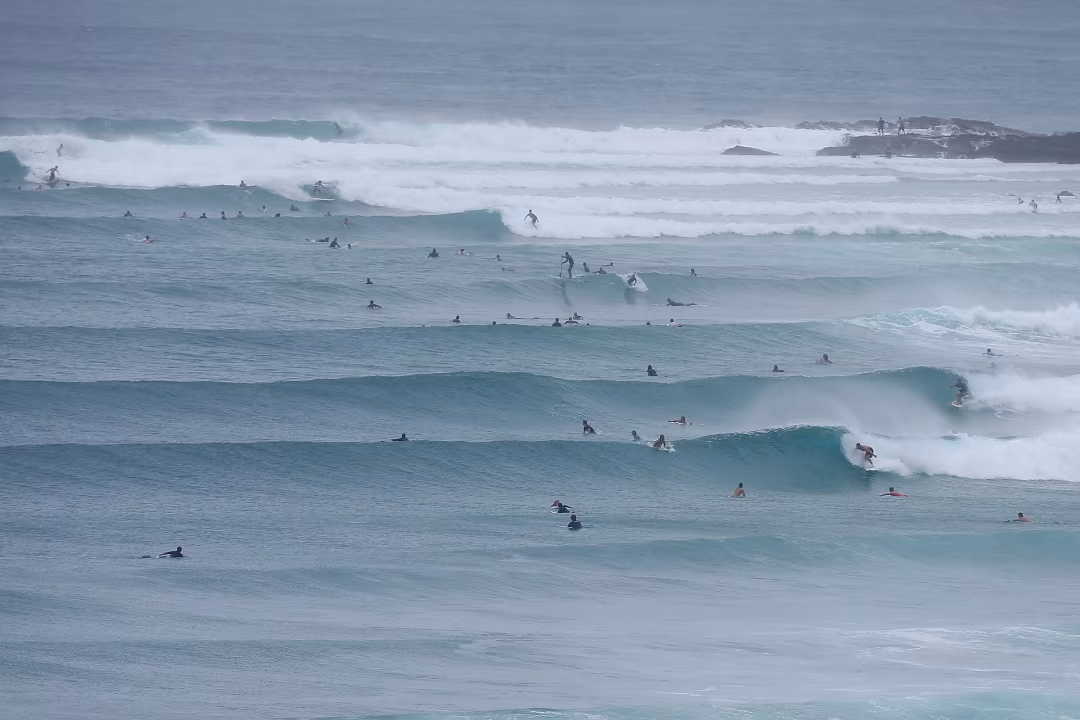
March is magic for surfers. While much of the world transitions between winter and spring, the ocean delivers some of the year’s most consistent, uncrowded, and downright perfect waves. Whether you’re chasing warm water barrels in the tropics or scoring powerful Atlantic swells in Morocco, the top surf destinations for the month of March offer something for every skill level and travel style.
This is the month when seasoned travelers score incredible deals, beginners find ideal learning conditions, and advanced surfers hunt down uncrowded lineups that would be mobbed just weeks later. March sits in that perfect window: post-winter swell season in some regions, pre-monsoon perfection in others, and shoulder season everywhere, meaning better prices and fewer crowds.
If you’ve been dreaming about a surf trip but haven’t locked down your destination, March might just be the perfect time to make it happen. Let’s dive into why this month deserves serious consideration and where you should point your board bag.
Why March Is a Great Month for Surf Travel
March occupies a sweet spot on the surf calendar that experienced travelers understand well. Here’s why this month consistently delivers:
Transitional Swells and Consistency
The Northern Hemisphere is still catching the tail end of winter swells while the Southern Hemisphere begins lighting up with autumn energy. This transitional period means multiple regions are firing simultaneously, giving you options based on your skill level and preferences.
Atlantic coasts from Morocco to Portugal receive powerful, consistent groundswells. The Indian Ocean delivers epic conditions to Sri Lanka’s south coast. Indonesia’s Bali sees improved conditions as the wet season winds down. Costa Rica’s Pacific coastline pumps with offshore winds and clean faces.
Shoulder Season Advantages
March falls outside peak travel periods in most surf destinations. European summer holidays haven’t started. American spring break crowds are concentrated in specific weeks. Australian and Brazilian high seasons have ended.
This timing translates to tangible benefits: lower accommodation costs, less competitive lineups, easier flight availability, and better service at surf camps and local restaurants. You’ll pay significantly less for the same experience you’d get in July or August.
Weather Sweet Spot
Many destinations experience their ideal weather in March. Morocco enjoys warm, sunny days without summer’s intense heat. Bali’s humidity drops while temperatures remain tropical. Portugal’s Algarve region warms up beautifully. Costa Rica sees the transition from dry season perfection to still-manageable conditions.
Water temperatures are either warming up or haven’t dropped significantly from summer peaks, meaning you’ll need less neoprene or can surf in boardshorts depending on location.
Variety of Conditions
Because multiple regions are in season simultaneously, you can choose your adventure: powerful overhead Atlantic swells, mellow tropical longboard waves, reef breaks for experienced surfers, or beach breaks perfect for progression. March doesn’t lock you into one type of surfing — it opens doors to all of them.
Top Surf Destinations For the Month of March
Morocco (Taghazout & Tamraght)
Why Morocco Stands Out in March
Morocco deserves serious consideration as one of the best places to surf in March. The Atlantic delivers consistent groundswells throughout the month, offshore winds are common, and you’ll experience warm sunny days with water temperatures that require only a 3/2mm or 4/3mm wetsuit. March falls perfectly between Morocco’s winter crowds and summer heat.
Wave Type: Predominantly right-hand point breaks with some beach breaks
Skill Level: All levels — from beginner-friendly Panorama Point to expert-only Anchor Point
Water Temperature: 16–18°C (61–64°F)
Crowd Factor: Moderate — significantly less crowded than October through December
Local Vibe: Extremely welcoming surf culture with international community
Best Surf Spots:
- Anchor Point: Morocco’s most famous wave — a long, powerful right-hander that can barrel when conditions align
- Killer Point: Just north of Anchor, equally long and slightly more forgiving
- Panorama Point (Banana Beach): Perfect for beginners and longboarders
- Hash Point: Mellow wave ideal for progression
- Devil’s Rock (Tamraght): Less crowded alternative with good shape
Travel Tips:
Taghazout has evolved from a fishing village into a proper surf town with excellent infrastructure. Surf camps line the coast offering all-inclusive packages that include accommodation, meals, coaching, and transport to breaks. The town walkable, affordable, and filled with cafés serving fresh tagines and mint tea.
Fly into Agadir (15km south) for easiest access. The stretch between Taghazout and Imsouane offers dozens of breaks within a 30-minute drive, meaning you can chase conditions daily.
Ideal Board: Bring a shortboard for the points and a fish or mid-length for smaller days. Rentals are widely available if you want to travel light.
March Surfing Conditions: Consistent 4–8 foot Atlantic swells, offshore winds in the morning, sunshine, and relatively empty lineups compared to winter months.
Portugal (Algarve and Peniche)
Europe’s Consistent March Performer
Portugal delivers world-class waves year-round, but March brings particularly good conditions as winter storms generate powerful swells while spring weather begins warming the coast. This is when smart surfers beat the summer crowds.
Wave Type: Mix of beach breaks, reef breaks, and point breaks
Skill Level: All levels depending on location
Water Temperature: 14–16°C (57–61°F)
Crowd Factor: Low to moderate — locals present but tourists haven’t arrived
Local Vibe: Professional, welcoming, strong surf culture
Best Surf Spots:
- Peniche/Supertubos: World-class beach break hosting WSL events
- Ericeira: Multiple reef and point breaks including Coxos and Ribeira d’Ilhas
- Sagres (Algarve): More sheltered options when Atlantic gets too big
- Arrifana: Beautiful beach break with consistent waves
Travel Tips:
Portugal offers incredible value compared to other European destinations. Accommodation, food, and even wine are remarkably affordable. The country’s compact size means you can chase swell up and down the coast easily.
Lisboa and Porto airports serve as main entry points. Renting a car gives maximum flexibility to hunt conditions.
Ideal Board: 4/3mm wetsuit minimum, potentially 5/3mm for dawn sessions. Bring a step-up for bigger days as Portuguese waves pack power.
March Surfing Conditions: Powerful Atlantic swells, occasional calm windows, improving weather but still brisk temperatures. Expect 4–10 foot faces depending on swell direction.
Bali, Indonesia
Tropical Perfection as Wet Season Winds Down
March marks the transition period in Bali when the wet season begins easing and conditions improve across both coasts. While not technically “peak season,” March offers excellent surfing with fewer crowds than the dry season months.
Wave Type: Predominantly reef breaks ranging from mellow to expert-only
Skill Level: Beginner to advanced depending on location
Water Temperature: 27–29°C (81–84°F)
Crowd Factor: Moderate — lower than June–August
Local Vibe: Established surf tourism infrastructure, from budget to luxury
Best Surf Spots:
- Uluwatu: Bali’s most famous wave — multiple sections for different abilities
- Padang Padang: Barreling left-hander for experienced surfers
- Canggu (Old Man’s, Batu Bolong): Beach breaks perfect for beginners and longboarders
- Keramas: High-performance right reef break
- Nusa Dua: Beginner-friendly when other breaks are too big
Travel Tips:
Bali’s surf infrastructure is unmatched. You’ll find surf camps, board rentals, yoga retreats, coaching, photography services, and everything else imaginable. Accommodations range from $10 hostels to luxury resorts.
The trade-off in March is occasional rain and slightly less consistent swell compared to the dry season. However, you’ll save money and surf less crowded lineups.
Ideal Board: Boardshorts only. Bring a shortboard and consider a fish or groveler for smaller days. Reef booties recommended for sharp coral.
March Surfing Conditions: Variable — some days pump with clean 4–6 foot waves, other days are smaller and choppier. Bukit Peninsula (west coast) gets the best March conditions.
Costa Rica (Pacific Coast)
Warm Water Consistency
Costa Rica’s Pacific coastline delivers consistent waves throughout March, benefiting from both north and south swells. This is tail-end dry season, meaning sunny days, offshore mornings, and warm water without needing any neoprene.
Wave Type: Mix of beach breaks and reef breaks
Skill Level: All levels depending on location
Water Temperature: 26–28°C (79–82°F)
Crowd Factor: Moderate — spring break can bring crowds to Tamarindo
Local Vibe: Pura vida energy, very tourist-friendly, established surf town infrastructure
Best Surf Spots:
- Tamarindo: Consistent beach break ideal for beginners, plus nearby Playa Grande
- Witch’s Rock and Ollie’s Point: Boat-access breaks for advanced surfers
- Santa Teresa: Long stretching beach with multiple peaks
- Pavones: One of the world’s longest left-hand waves (requires bigger swell)
- Playa Hermosa (Jacó): Powerful beach break hosting international contests
Travel Tips:
Costa Rica offers well-developed surf tourism with English widely spoken and easy logistics. The country is more expensive than other Central American destinations but offers excellent infrastructure and safety.
Fly into Liberia for Guanacaste beaches or San José for central Pacific options. Renting a car or booking surf camp transfers are both viable options.
Ideal Board: Boardshorts and rashguard only. A shortboard covers most conditions, though a fish works great for smaller days.
March Surfing Conditions: Consistent 3–6 foot waves, offshore winds in the morning, occasional bigger swells. Water is bathwater warm.
Australia (Gold Coast and Sydney)
Autumn Begins Down Under
March marks the beginning of autumn in Australia, bringing better swell consistency and cooling temperatures that feel refreshing after summer heat. The Gold Coast in particular lights up with more frequent south swells.
Wave Type: World-class point breaks and beach breaks
Skill Level: All levels with appropriate spot selection
Water Temperature: 22–25°C (72–77°F)
Crowd Factor: Moderate to high — locals are excellent surfers
Local Vibe: Professional surf culture, can be competitive at famous breaks
Best Surf Spots:
- Snapper Rocks to Kirra: The Superbank — one of the world’s best waves when conditions align
- Burleigh Heads: Classic point break with hollow sections
- The Spit: Beginner-friendly beach break
- Manly (Sydney): Consistent beach break near the city
- Cronulla: Multiple breaks catering to all levels
Travel Tips:
Australia is expensive compared to other surf destinations on this list, but the waves and infrastructure justify the cost. Gold Coast offers concentrated quality, while Sydney combines city life with excellent nearby surf.
Both Brisbane and Sydney have major international airports. Public transport and rental cars both work well.
Ideal Board: 2mm shorty or spring suit. Bring your standard shortboard — Australian waves have power and quality suited to performance surfing.
March Surfing Conditions: Improving swell consistency as autumn approaches, 3–8 foot range, excellent weather before winter arrives.
Sri Lanka (South Coast)
Emerging Surf Paradise
Sri Lanka’s south coast comes alive in March as the southwest monsoon hasn’t yet arrived. This window delivers some of the year’s best conditions at breaks like Midigama, Weligama, and Hikkaduwa.
Wave Type: Predominantly reef and point breaks
Skill Level: Beginner to advanced
Water Temperature: 27–29°C (81–84°F)
Crowd Factor: Low to moderate — still relatively undiscovered
Local Vibe: Friendly, developing surf tourism, authentic cultural experience
Best Surf Spots:
- Midigama: Multiple quality right points within walking distance
- Weligama: Protected bay perfect for beginners
- Hikkaduwa: Long-established surf town with multiple breaks
- Arugam Bay: East coast alternative if south coast goes flat
Travel Tips:
Sri Lanka offers incredible value — accommodation, food, and transport are remarkably affordable. The island combines surf with cultural experiences, wildlife, and stunning scenery.
Fly into Colombo and transfer south (2–3 hours). Tuk-tuks and scooter rentals make local transport easy and cheap.
Ideal Board: Boardshorts only. Bring a shortboard for the reefs and consider a funboard for smaller days at Weligama.
March Surfing Conditions: Consistent 3–6 foot waves, light offshore winds, sunny weather. This is peak season before April’s monsoon shift.
Best Surf Conditions in March by Region
Northern Hemisphere
Atlantic Coasts (Morocco, Portugal, Canary Islands):
March captures the tail end of the powerful winter swell season. North Atlantic storms continue generating consistent groundswells that travel south, lighting up the Moroccan and Portuguese coasts. Expect chunky, powerful waves with improving weather as spring approaches.
Water remains cool (requiring 3/2mm to 4/3mm wetsuits) but air temperatures warm up, making post-surf relaxation comfortable. Offshore winds are common, particularly in the mornings.
Pacific Coasts (California, Mexico):
California and Baja Mexico see variable conditions in March. While winter’s biggest swells begin tapering, consistent mid-size waves continue. Water temperatures bottom out (needing 4/3mm to 5/4mm in Northern California), but spring’s improving weather makes it manageable.
Caribbean and Central America:
The dry season continues with generally smaller wave conditions. This makes it perfect for beginners and those seeking warm, mellow waves. Costa Rica’s Pacific coast still catches swell from multiple directions.
Southern Hemisphere
Australia and New Zealand:
Autumn begins, bringing improving swell consistency. Summer’s onshore sea breezes diminish while autumn swells increase in frequency and size. Water temperatures remain pleasant (spring suit territory), and the weather stays warm enough for comfortable surf sessions.
Brazil:
March falls in summer’s tail end. Conditions can be less consistent than winter months, but when swells arrive, they’re typically clean with offshore winds. Water is warm, requiring only boardshorts.
Tropical Regions
Indonesia (Bali, Mentawais, Java):
The transition period between seasons. The wet season begins easing, bringing improving conditions, particularly on western-facing coasts. Bali’s Bukit Peninsula works well, while the Mentawais start becoming accessible (though this is early for peak season there).
Sri Lanka:
Peak season on the south and west coasts before the southwest monsoon arrives. Consistent swells, offshore winds, and warm water make this prime time.
Maldives:
March marks the tail end of the northeast monsoon season. Some atolls remain good, though April–October is generally considered prime time.
How to Choose the Right March Surf Destination
Budget Considerations
Budget-Friendly ($50–75/day all-inclusive):
- Morocco (Taghazout)
- Sri Lanka (south coast)
- Indonesia (Bali)
- Nicaragua (if willing to extend beyond popular spots)
Mid-Range ($100–150/day):
- Costa Rica
- Portugal
- Mexico (Oaxaca)
Premium ($200+/day):
- Australia
- Maldives
- California
Consider that surf camps often offer better value than independent travel, bundling accommodation, meals, coaching, and transport into affordable packages.
Skill Level Matching
Beginners:
Prioritize destinations with sandy beach breaks and surf instruction infrastructure: Costa Rica (Tamarindo), Bali (Canggu), Sri Lanka (Weligama), Morocco (Panorama Point). These spots offer gentle waves, soft landings, and plenty of coaching options.
Intermediate:
Target destinations with variety allowing progression: Morocco (multiple point breaks), Portugal (Ericeira area), Bali (mix of beach and reef breaks). You want places where you can push your limits while having backup options when conditions exceed your ability.
Advanced:
Chase powerful, hollow waves: Morocco (Anchor Point), Portugal (Peniche, Nazaré for big wave spectating), Australia (Gold Coast points), Indonesia (Uluwatu, Padang Padang). These destinations reward experience with world-class barrels and high-performance walls.
Water Temperature Preferences
Warm Water (No Wetsuit Required):
- Bali: 27–29°C (81–84°F)
- Costa Rica: 26–28°C (79–82°F)
- Sri Lanka: 27–29°C (81–84°F)
Moderate (Spring Suit or 2mm):
- Australia: 22–25°C (72–77°F)
Cool (3/2mm to 4/3mm):
- Morocco: 16–18°C (61–64°F)
- Portugal: 14–16°C (57–61°F)
Your tolerance for cold water significantly impacts enjoyment. If you hate wetsuits, stick with tropical destinations even if waves are slightly less consistent.
Vibe and Lifestyle
Party Scene:
Bali (Canggu), Costa Rica (Tamarindo), Portugal (Lagos) offer vibrant nightlife, social surf camps, and party atmospheres.
Chill and Authentic:
Morocco (Tamraght), Sri Lanka (Midigama), smaller Mexican towns provide more low-key, culturally immersive experiences.
Luxury Surf:
Maldives, high-end Costa Rica resorts, premium Australian accommodations cater to surfers wanting comfort and service.
Solo vs. Group Travel
Solo-Friendly:
Surf camps in Morocco, Bali, and Costa Rica make solo travel easy with built-in communities. You’ll meet fellow surfers immediately and have instant company for sessions and meals.
Group/Family:
Costa Rica excels for families with non-surfing activities, safety, and beginner-friendly waves. Portugal offers cultural richness for groups with varied interests. Australia combines surf with major cities and tourist infrastructure.
What to Pack for a Surf Trip in March
Wetsuit Requirements by Destination
Boardshorts Only:
- Bali, Indonesia
- Costa Rica
- Sri Lanka
Spring Suit or 2mm:
- Australia (Gold Coast)
- Southern California
3/2mm Fullsuit:
- Morocco (can upgrade to 4/3mm for early morning sessions)
- Southern Portugal
4/3mm Fullsuit:
- Northern Portugal
- Northern California
Pro tip: Check recent surf reports and water temperature readings for your specific destination and dates before committing to wetsuit thickness. Conditions vary year to year.
Board Selection
Single Destination Trip:
Bring your everyday shortboard plus one backup option (fish, mid-length, or step-up depending on expected conditions).
Multi-Destination Trip:
Consider traveling with one versatile board like a slightly higher-volume shortboard or fish that handles a range of conditions, then renting locally for specific sessions.
Beginner:
Most destinations offer quality rentals. Traveling with a longboard or foamie is cumbersome — rent locally and save yourself baggage headaches.
Essential Surf Travel Gear
Must-Pack Items:
- Reef-safe sunscreen (SPF 50+) — many destinations ban chemical sunscreens
- Surf wax appropriate for water temperature
- Leash and spare leash
- Rash guard for sun protection
- Basic ding repair kit
- Surf watch or GPS surf tracker
- Reef booties (for Indo, Sri Lanka, sharp reef breaks)
- First aid kit with antiseptic for cuts
Helpful Additions:
- Dry bag for valuables at the beach
- Surf poncho or changing towel
- Portable speaker for beach sessions
- Action camera (GoPro) with mounts
- Travel-size board bag with padding
Travel Insurance
Non-negotiable for surf trips. Ensure your policy covers:
- Board damage and loss
- Medical treatment including surfing-related injuries
- Emergency evacuation
- Trip cancellation/interruption
- Theft of valuables
Specialized surf travel insurance from companies like World Nomads or IMG offers better coverage than standard travel insurance for board damage and surf-specific incidents.
Documentation and Prep
- Passport valid for 6+ months beyond travel dates
- Visa requirements for your destination
- Vaccination records (some countries require yellow fever, etc.)
- Printed accommodation confirmations
- Travel insurance policy numbers
- Emergency contact information
- Digital copies of important documents
- Downloaded offline maps and surf forecast apps
Frequently Asked Questions About Surfing in March
Where are the best waves in March?
The best waves in March are found in Morocco (Taghazout), Portugal (Peniche and Ericeira), Indonesia (Bali), Sri Lanka (south coast), Costa Rica (Pacific side), and Australia’s Gold Coast. Each offers different wave types, water temperatures, and experiences, so choose based on your skill level and preferences.
Is March a good month for a surf trip?
March is an excellent month for a surf trip. It falls in the shoulder season for most destinations, meaning better prices, fewer crowds, and still-excellent wave conditions. Multiple regions have consistent swell, and weather transitions make it comfortable for both cold-water and warm-water destinations.
What should I wear surfing in March?
What you wear depends entirely on your destination. Tropical spots like Bali, Costa Rica, and Sri Lanka require only boardshorts. Australia needs a spring suit. Morocco and Portugal require 3/2mm to 4/3mm fullsuits. Always check recent water temperature reports for your specific location.
Can beginners find good surf in March?
Absolutely. March offers excellent beginner conditions in multiple destinations. Costa Rica’s Tamarindo, Bali’s Canggu, Sri Lanka’s Weligama, and Morocco’s Panorama Point all provide gentle waves, sandy bottoms, and surf instruction throughout March.
How far in advance should I book a March surf trip?
Book flights and accommodation at least 2–3 months in advance for the best prices and availability. Popular surf camps fill up, especially if your dates overlap with spring break periods. However, March generally offers more last-minute availability than peak summer months.
Conclusion
March deserves serious consideration for your next surf trip in March. The combination of consistent swells, improving weather, fewer crowds, and better prices creates ideal conditions for surf travel. Whether you’re drawn to Morocco’s powerful Atlantic points, Bali’s tropical reefs, Costa Rica’s warm water perfection, or Portugal’s world-class breaks, this month delivers.
The best places to surf in March span the globe, offering something for every surfer regardless of skill level, budget, or travel style. Beginners will find gentle learning conditions with professional instruction. Intermediate surfers can push their progression with varied wave options. Advanced surfers can chase barrels and high-performance walls with relatively empty lineups.
Start planning your March surf adventure now. Research surf camps, compare flight prices, and dial in your destination based on the guidance above. The waves are waiting, and March’s window of opportunity is wide open.
Ready to explore more surf destinations and travel guides? Check out our comprehensive resources on surfing Morocco, Bali surf camps, and year-round surf travel planning. Your next perfect session is just a plane ticket away.
Now get out there and score some waves. March is calling.