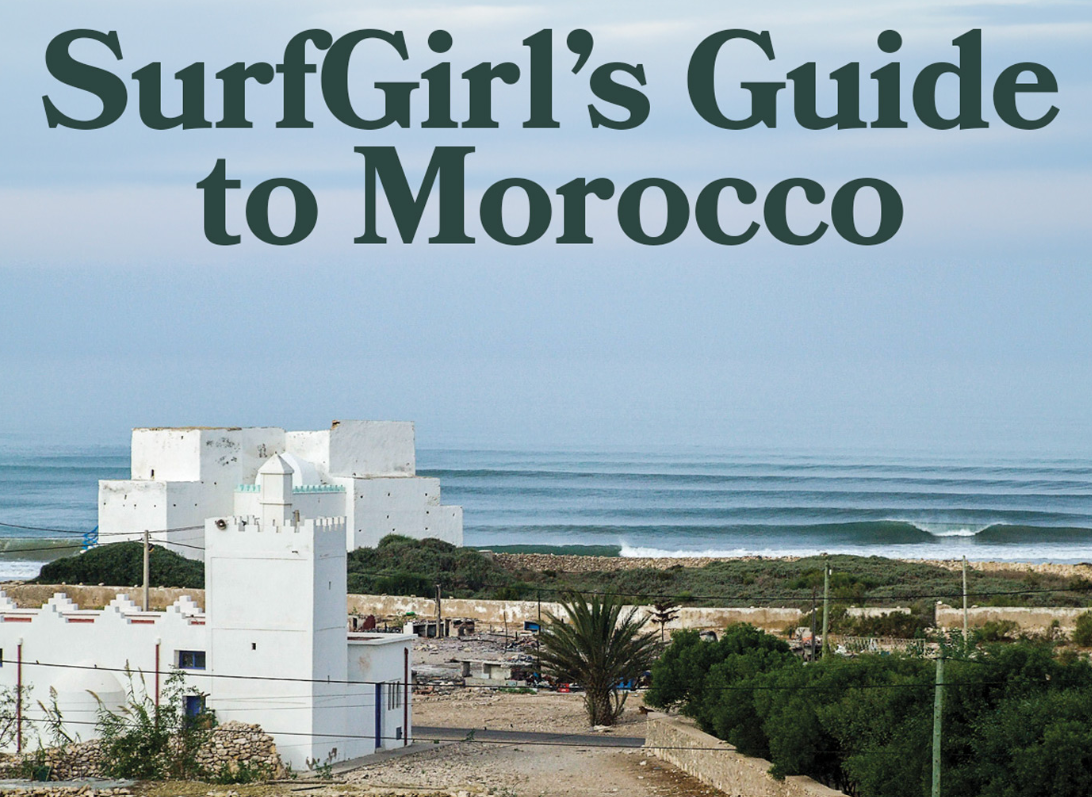
There’s a reason surfers from every corner of the world keep coming back to Morocco. The waves are world-class, the culture is electric, the food is unforgettable and the price of it all won’t drain your bank account before the trip is even over. Whether you’re a complete beginner stepping on a board for the first time or a seasoned surfer chasing overhead barrels, surfing in Morocco delivers on every level.
This Morocco surf guide covers everything you need to know the best surf spots, the ideal time to go, what to expect from a surf camp, how to plan your trip, and insider tips that will make your Morocco surf holiday one for the memory books.
Why Morocco is One of the Best Surf Destinations in the World
A Culture Built Around the Waves
Morocco has been on the surf radar since the 1960s, when adventurous travellers began discovering the powerful Atlantic swells rolling into the country’s southern coastline. Today, the area around Taghazout and Tamraght has evolved into a fully-fledged surf community a place where surfers, yogis, digital nomads, and free spirits all converge.
The local surf culture here is genuine and welcoming. Moroccan surf instructors who grew up riding these very breaks are some of the most knowledgeable guides you’ll ever meet. There’s a deep respect for the ocean baked into daily life, and that energy is contagious the moment you arrive.
Waves All Year Round
One of Morocco’s greatest strengths as a surf destination is its consistency. The Atlantic swell machine rarely switches off, meaning there’s almost always something rideable, no matter when you visit. While the peak surf season delivers powerful overhead swells that experienced surfers dream about, the shoulder seasons offer mellow, forgiving waves that are ideal for beginners and intermediates.
Unlike many surf destinations that have a narrow window of quality surf, Morocco keeps delivering across multiple seasons making it an incredibly versatile destination.
Affordable Travel Without Compromising on Experience
Morocco is one of the most affordable surf destinations in the world. Quality surf camps, fresh food, transport, and accommodation are all remarkably budget-friendly by European and North American standards. You can have an absolute world-class surf trip here for a fraction of what the same experience would cost in the Canaries, Portugal, or Bali.
That said, Morocco is not just a budget destination it’s a destination where your money simply goes further. You’ll eat better, stay in more characterful places, and experience something far richer than a typical package holiday.
Hospitality That Stays With You
Moroccan hospitality known locally as diyafa is something you genuinely can’t prepare for until you’ve experienced it firsthand. From the surf camp staff who remember your name on day one, to the tagine cooked fresh by a local family, to the mint tea poured from a great height in a riad in the medina people here make you feel welcome in a way that’s rare in modern travel.
Best Surf Spots in Morocco
The coastline stretching south from Agadir is one of the most surf-rich stretches of Atlantic coastline on the planet. Here are the breaks you need to know.
Taghazout : Morocco’s Surf Capital
Taghazout is the undisputed heartbeat of surfing in Morocco. This small, whitewashed fishing village perched on a rocky headland north of Agadir has been a surfers’ haven for decades, and it’s not hard to see why. The village itself is a maze of colourful streets, surf shops, rooftop cafés, and yoga studios a genuine surf town that hasn’t lost its soul despite growing popularity.
The surrounding area is loaded with quality breaks. Anchor Point, Hash Point, Killer Point, and Panoramas are all within easy reach of Taghazout village, offering a variety of wave types and difficulty levels. When the swell is pumping, this is one of the most exciting places to surf in the entire Atlantic basin.
Most surf camps in Morocco are based in or around Taghazout, making it the natural hub for your Morocco surf trip.
Tamraght : The Surfer’s Hidden Gem
Just a few kilometres south of Taghazout, Tamraght has grown quietly into a beloved alternative for surfers seeking a slightly more relaxed, village atmosphere. Less commercialised than its famous neighbour, Tamraght still has excellent waves including the highly regarded Banana Beach, a long, sandy bay that produces consistent, beginner-friendly surf.
Tamraght surf has become increasingly popular with surf schools and camps in recent years, and it’s easy to see why. The combination of sandy-bottom waves, calm stretches of coastline, and affordable local guesthouses makes it one of the most complete beginner surf destinations on the Moroccan coast.
Imsouane : Home of Africa’s Longest Wave
Around 90 minutes north of Agadir lies one of Morocco’s most magical surf experiences: Imsouane. This tiny fishing village is home to what many claim is the longest rideable wave in Africa — a right-hand point break that on a good day allows you to ride for several hundred metres.
Imsouane attracts longboarders and intermediate surfers in droves, and the laid-back, end-of-the-world atmosphere of the village makes it unlike anywhere else in Morocco. There’s also a faster, more powerful break at Imsouane called the Cathedral, which offers a completely different challenge. A day trip to Imsouane from Taghazout is absolutely worth it.
Anchor Point : Legendary Right-Hand Point Break
If you know anything about surfing in Morocco, you know Anchor Point. This world-class right-hand point break north of Taghazout consistently produces long, powerful rides, and on big winter swells it becomes one of the finest waves in the Atlantic Ocean.
Anchor Point is firmly in intermediate-to-advanced territory. The take-off can be intense, there are rocks to navigate, and the crowd on good days can be serious. But if you have the skills to handle it, surfing Anchor Point is one of those experiences that redefines what a wave can be.
Devil’s Rock : Perfect for Beginners
Located near Tamraght, Devil’s Rock is a sandy beach break that offers gentle, forgiving waves ideal for beginners. The sandy bottom makes wipeouts far more forgiving than reef or rock breaks, and the wave shape is consistent enough to give new surfers plenty of time to practise their pop-up and find their feet.
If you’re joining a surf school or surf camp in Morocco for the first time, Devil’s Rock is likely where your first few sessions will take place. It’s the kind of wave that builds confidence fast.
When is the Best Time to Surf in Morocco?
Understanding the Morocco Surf Season
Morocco’s surf season breaks down into distinct windows:
October to April – Peak Surf Season This is when the Atlantic really turns on. Long-period groundswells generated by North Atlantic storms create the best waves of the year. Advanced surfers flock to Morocco during this period for the powerful, consistent conditions at Anchor Point, Killer Point, and Boilers. Waves can easily reach double overhead and beyond on the biggest days.
May to September – Summer Season Smaller, more manageable waves dominate during the summer months. Conditions are typically clean and glassy, with offshore winds in the mornings creating beautiful surf. This is the perfect time for beginners and intermediates to make serious progress without being overwhelmed by powerful surf.
Beginner vs Advanced Seasons
If you’re a beginner, the summer months (June to September) offer the most approachable conditions. Waves are smaller, the water is warmer, and the forgiving conditions mean you’ll spend far more time on your feet than being held under.
If you’re an advanced surfer chasing powerful waves, you’ll want to plan your Morocco surf trip between November and March, when the best swells roll through with regularity.
Weather Conditions and Water Temperature
Morocco’s climate is generally dry, sunny, and mild — a stark contrast to European winters and one of the major draws for winter surf trips. During peak surf season, daytime temperatures hover between 18–24°C, making it comfortable for surfing in a 3/2 wetsuit.
In summer, water temperatures climb to a pleasant 20–22°C, and many surfers are comfortable in a shorty or even boardshorts on warmer days. Bring a full suit if you’re visiting between November and February, as water temperatures can dip to around 16–17°C.
Planning Your Morocco Surf Trip
Where to Stay
Taghazout and Tamraght are the primary bases for a Morocco surf holiday. Both villages have a wide range of accommodation options from basic guesthouses to boutique riads and purpose-built surf lodges with pools, rooftop terraces, and ocean views.
Agadir, the nearest city (around 20km south), offers larger hotels and resort-style accommodation if you prefer a more urban base though most surfers find the atmosphere in the surf villages far more appealing.
Surf Camps vs Hotels
Surf camps in Morocco are by far the most popular choice for visiting surfers, and with good reason. A quality surf camp packages accommodation, daily coaching, equipment hire, and often yoga sessions, meals, and excursions into one seamless experience. You arrive, drop your bags, and the whole trip is organised for you.
Hotels offer more independence but require you to sort your own lessons, rental boards, and transport. For first-time visitors in particular, the all-inclusive nature of a surf camp makes the learning curve far easier to manage.
Many surf camps now cater to all levels complete beginners through to intermediate and advanced surfers looking to refine their technique.
Budget Expectations
Morocco is excellent value. Here’s a rough guide:
- Budget surf camp (dorm-style): €35–55 per night including breakfast
- Mid-range surf camp (private room): €70–120 per night including meals and coaching
- Premium boutique surf lodge: €150–250+ per night
- Daily surf lesson (2 hours, board + wetsuit included): €30–50
- Street food meal: €2–5
- Restaurant meal (local cuisine): €5–15
Getting to Taghazout and Tamraght
By Air: Fly into Agadir Al Massira Airport (AGA), which receives direct flights from many European cities including London, Paris, Amsterdam, and Brussels. Flight time from the UK is around 3.5 hours.
Ground Transfer: From the airport, Taghazout is approximately 30–35km north. Taxis and private transfers are readily available. Many surf camps offer airport pickups as part of their packages always worth requesting in advance.
By Road: If you’re planning a longer Morocco surf road trip, the N1 coastal highway runs directly through the surf zone and is in excellent condition.
What to Expect From a Morocco Surf Camp Experience
Booking into one of the surf camps in Morocco is one of the best decisions you can make. Here’s what a typical day looks like:
Morning surf session with a qualified coach who assesses your level and tailors feedback accordingly. Group sizes are typically small, which means you get genuine personal attention rather than being lost in a crowd.
Video analysis is offered by many camps watching yourself surf on video is one of the fastest ways to identify and correct mistakes. Your coach will break down your technique, pop-up, and positioning on the wave in detail.
Yoga sessions are a standard offering at most surf camps in Morocco. The combination of surf and yoga is genuinely complementary yoga improves your flexibility, balance, and breath awareness, all of which translate directly into better surfing. Evening sessions on rooftop terraces overlooking the Atlantic are about as good as it gets.
Local food is invariably a highlight. Fresh fish, chicken tagine, couscous, msemen flatbread, and fresh-squeezed orange juice are staples. Most camps either cook fresh meals on site or have strong relationships with local restaurants.
Excursions give you a taste of Morocco beyond the surf. The most popular is Paradise Valley a stunning gorge with natural rock pools tucked into the Atlas Mountains about an hour inland from Taghazout. Sandboarding in the Saharan dunes near Agadir is another popular half-day adventure. Souk visits to Agadir or further afield to Essaouira are also well worth organising.
Essential Morocco Surf Travel Tips
Stay safe in the line-up: Always check local conditions before paddling out. Some of Morocco’s reef and point breaks can have powerful currents. If in doubt, ask a local surfer or your camp instructor.
Respect local etiquette: Morocco has a well-established local surf community. Respect the line-up hierarchy, don’t drop in on others, and take time to acknowledge the locals who call these breaks home. A friendly attitude goes a long way.
What to pack:
- 3/2 wetsuit (4/3 for winter visits)
- Reef booties (for rocky breaks like Anchor Point)
- High-SPF sun cream — the Moroccan sun is intense even in winter
- Rash vest for under your wetsuit
- Flip-flops and lightweight clothes for evenings
- A small day bag for beach visits
- Portable charger
Transport tips: Grands taxis (shared long-distance taxis) are the most authentic and affordable way to travel between towns on the coast. Negotiate the fare before you get in. For flexibility, hiring a car from Agadir airport is straightforward and not expensive.
Why Morocco is Perfect for Beginner Surfers
If you’ve never surfed before, Morocco might just be the ideal place to start. Here’s why:
Sandy beach breaks like Tamraght’s Banana Beach and Devil’s Rock near Taghazout provide soft, consistent waves that are genuinely forgiving for new surfers. There are no sharp reefs to worry about as you navigate your first wipeouts.
Quality surf schools are plentiful throughout the Taghazout and Tamraght area. Instruction is delivered by certified coaches with years of experience teaching complete beginners, and the patient, encouraging approach is well-suited to nervous first-timers.
Soft, manageable waves during the summer months mean beginners rarely feel overwhelmed. The waves are big enough to get you moving but consistent enough to allow genuine learning.
Affordable lessons mean you can have daily coaching across a full week for a fraction of the cost of equivalent lessons in Portugal, France, or the Canary Islands. More time in the water equals faster progression.
FAQ About Surfing in Morocco
Is Morocco good for surfing?
Absolutely. Morocco is consistently ranked among the top surf destinations in the world, offering quality waves for all levels, a vibrant surf culture, and some of the most consistent Atlantic swells outside of Western Europe. The combination of excellent surf, warm hospitality, and affordable travel makes it exceptional value.
Is Morocco cheap for surf trips?
Yes Morocco is one of the most affordable surf destinations available to European travellers. Surf camps, local food, transport, and activities are all competitively priced. A full week’s surf camp including accommodation, meals, and coaching can cost less than a long weekend in many European surf destinations.
Can beginners surf in Morocco?
Definitely. Morocco has some of the best beginner surf beaches in the Atlantic, particularly around Tamraght and Taghazout. The summer months offer gentle, consistent waves, and there are dozens of quality surf schools offering structured lessons for complete beginners.
How many days do you need for a Morocco surf trip?
Most surf camps offer packages from five to fourteen days. A one-week trip gives you time to settle in, improve noticeably in the water, and explore some of the surrounding area. Two weeks allows a deeper immersion into both the surf and the broader Moroccan culture.
Is Taghazout safe?
Yes. Taghazout is widely regarded as a safe destination for solo travellers, couples, and groups. The town has a strong relationship with visiting surfers, and petty crime is generally low. As with any destination, standard common-sense precautions apply keep valuables secure, be aware of your surroundings, and respect local customs, particularly outside of the surf zone.
Conclusion : Why Morocco Should Be Your Next Surf Trip
Morocco is more than just a surf destination it’s a full sensory experience. The waves are world-class. The culture is rich, generous, and deeply welcoming. The food will change your relationship with tagine forever. And the light that golden Atlantic light hitting whitewashed walls in the late afternoon is unlike anywhere else on Earth.
Whether you’re here to score your first wave, finally crack the code on your backside turn, or simply escape the grey and find yourself in a place where the ocean still feels magical, Morocco delivers.
Stop thinking about it. Book the trip. The swell is waiting.